
Explore Cork and Kerry with coastal routes, wild places, historic towns, island ferries, mountain walks, and practical planning tips.
The counties of Cork and Kerry sit where Ireland feels most expansive. Roads thin out, the Atlantic presses closer, and landscapes start to dominate decisions. You can spend the morning in a lively city street, the afternoon on an empty headland, and the evening in a small pub where the weather still sets the tone.
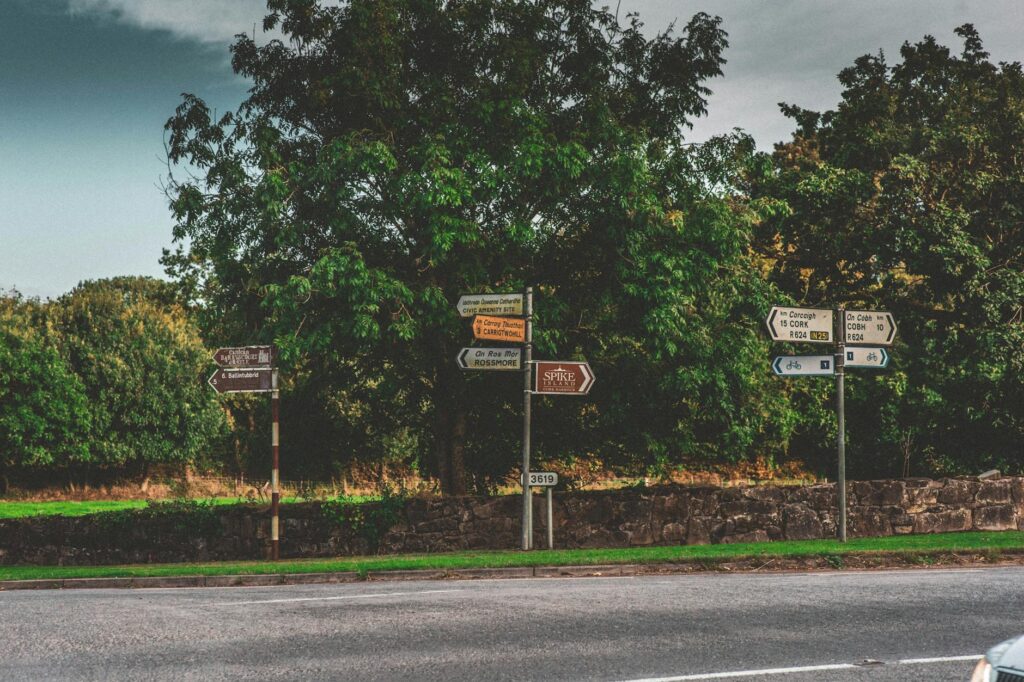
This site is an independent guide to travelling through Cork and Kerry in a way that makes sense on the ground. It’s built around real places, workable routes, and trips that allow time to stop rather than rush. Whether you’re planning a long weekend, a looping road trip, or a slow exploration of one peninsula, the aim is to help you choose well rather than see everything.
Two Counties, Very Different Characters
Cork and Kerry are often grouped together, but they reward different approaches.
Cork is Ireland’s largest county and one of its most varied. West Cork in particular is defined by long peninsulas, quiet inland roads, and villages that feel increasingly remote the further you travel. Cork City adds a strong cultural and food scene, grounding the county with energy and confidence.
Kerry is more immediately dramatic. Mountains rise close to the road, the coastline is constantly in view, and famous routes announce themselves early. Beyond the headline scenery, there are inland towns, working harbours, and valleys that feel calmer once you move away from the main loops.
Together, they form a region that works best when you focus on one area at a time.
Outdoor Landscapes You Can Actually Access
You don’t need specialist skills or extreme fitness to experience the best of Cork and Kerry. Many of the most memorable places are reached by short walks, quiet roads, or half-day plans that leave space for weather and spontaneity.
Walking & Hills
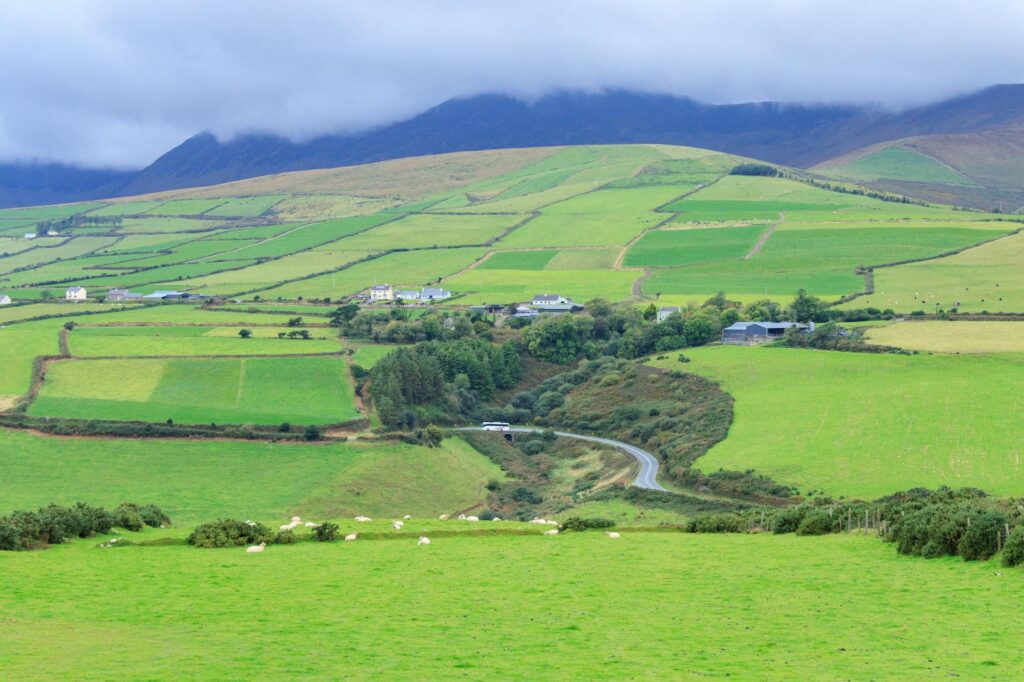
Kerry’s uplands are among the most recognisable in Ireland. Killarney National Park offers lakeside paths, woodland trails, and longer mountain routes that can be mixed and matched depending on conditions. Further west, the Dingle Peninsula combines coastal walking with short climbs that deliver wide Atlantic views.
Cork’s walking tends to be less formal and often quieter. Forest parks, headlands, and shoreline loops in West Cork suit people who prefer space over spectacle. Many routes begin close to villages, making it easy to combine walking with meals or short drives.
For route conditions, trail access, and seasonal advice, the Killarney National Park official site and the Coillte recreation pages are reliable sources.
Cycling & Quiet Roads
Cycling in Cork and Kerry works best when it’s treated as exploration rather than endurance. Quiet boreens, greenways, and coastal stretches reward slower riding and frequent stops.
Our guide to cycling in Cork and Kerry looks at terrain, traffic levels, and routes that make sense for short sections rather than long-distance touring.
Historic Places That Add Context
History in Cork and Kerry is rarely contained in large complexes. Many of the most interesting sites sit quietly in the landscape, asking very little of visitors except attention.
Early Christian Sites
The Dingle Peninsula is particularly rich in early Christian remains. The Gallarus Oratory is one of the best-preserved stone buildings of its kind in Europe, and visiting it with background knowledge changes the experience entirely.
Our guide to the Gallarus Visitor Centre explains what survives, what’s known, and how to visit without turning it into a rushed stop.
Modern History & Local Stories
Smaller heritage centres often provide the strongest insight into how communities here developed.
The Michael J. Quill Centre focuses on social and political history rooted in everyday life rather than grand narratives, making it a worthwhile stop if you’re passing through north Kerry.
For nationally managed heritage sites, opening times and access details are best checked via Heritage Ireland, which covers OPW-managed locations across both counties.
Towns & Villages That Reward Time
The strongest experiences in Cork and Kerry often come from staying put rather than moving on quickly.
Cork City
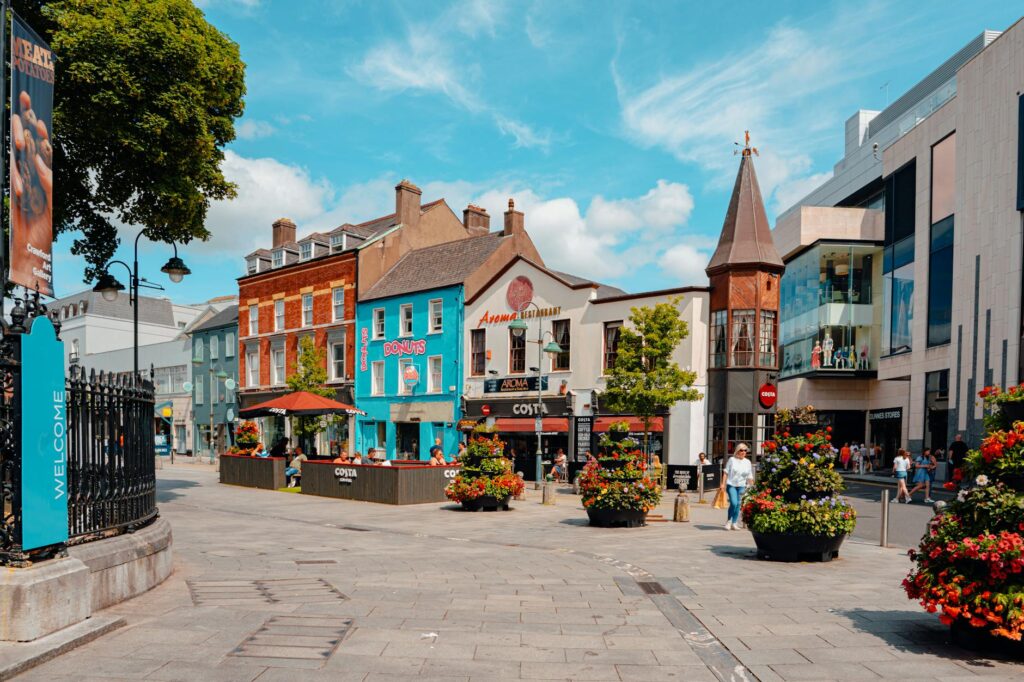
Cork City is compact, walkable, and defined by its neighbourhoods. Markets, river walks, independent cafés, and small music venues give it a rhythm that works well for short stays.
Our Cork City guide looks at where to base yourself, what to explore on foot, and how to avoid turning a visit into a checklist.
Millstreet
Inland towns like Millstreet offer a different view of Kerry. Well placed for quieter countryside and small mountain ranges, it suits travellers who want to step away from the coastal flow.
Sneem & Castletownbere
Villages such as Sneem and Castletownbere are shaped by their setting. Working harbours, weather-driven days, and evenings that revolve around food and conversation rather than entertainment schedules define both places.
Coastal Routes Worth Doing Properly
Cork and Kerry are home to some of Ireland’s most famous driving routes, but they reward restraint.
The Skellig Ring
The Skellig Ring is one of the most powerful coastal loops in the country. Treated as a half-day or full-day circuit rather than a fast drive, it allows time for viewpoints, short walks, and changes in weather.
Our Skellig Ring guide covers timing, stopping points, and practical advice for quieter travel.
For Skellig Michael crossings and landing updates, the Skellig Michael boat operators’ association provides the most accurate seasonal information.
Understanding South-West Ireland
If you’re trying to plan routes that connect Cork and Kerry logically, start with our overview of south-west Ireland, which looks at geography, driving times, and natural groupings.
Tourist Information: When It Helps
Local tourist information offices can still be useful for maps, ferry updates, and local conditions, particularly in smaller towns.
We keep an updated list of tourist information offices in Cork and Kerry, including what each is best used for.
Getting Around: Car Hire & Access
A car is the most practical way to explore Cork and Kerry fully, especially for coastal areas and inland routes.
Common car hire pickup points include:
- Cork Airport – best for West Cork and Cork City
- Kerry Airport – convenient for Killarney and the Iveragh Peninsula
- Shannon Airport – workable for north Kerry and longer loops
Book in advance during spring and summer. Availability drops quickly outside major towns. Book a cheap car hire deal if a regular and reliable mode of transport is required.
It is possible to travel to the Cork/Kerry Region by plane, ferry, bus and train. The Region has two airports; Cork Airport is located 6 kilometres south of Cork City and Kerry County Airport is located just off the main road between Killarney and Tralee.
The Ferryport is located at Ringaskiddy 16 kilometres south east of Cork City. Bus Eireann operates extensive bus services in and out of Cork and Kerry and Irish Rail operate the network of rail services in the area.
Using CorkKerry.ie
CorkKerry.ie is an independent travel guide. Content is researched and written editorially, without paid placement or official affiliation.
If you need to get in touch or are looking for site details, visit our contact page.
Frequently Asked Questions
Is Cork or Kerry better for a first visit?
Both work well. Kerry delivers immediate scenery, while Cork rewards slower exploration.
How much time do you need?
A week allows a good introduction, but shorter trips work if you focus on one area.
Do I need a car?
Yes. Public transport is limited outside cities and main towns.
Is this region suitable year-round?
Yes, though spring and autumn offer the best balance.
Are coastal routes very busy?
They can be in summer, but timing and alternative roads help.
Is this good for outdoor beginners?
Yes. Many walks and cycles are accessible without technical skills.
Are there good food options outside cities?
Yes. Small towns and villages often have excellent local places.
Is Cork and Kerry expensive?
Value is good outside peak summer months.
Can you combine Cork and Kerry easily?
Yes, with sensible route planning.
Is this site official?
No. CorkKerry.ie is an independent guide.
Where’s a good place to start?
Cork City, West Cork, Killarney, or the Dingle Peninsula all work well.
Cork and Kerry Region
The Cork Kerry region of South West Ireland is one of the most attractive holiday areas in Ireland.
This area has a spectacular coastline of over 1,000 km and has Ireland’s highest mountain Carrauntoohil at 1,039 m. This Region also has Ireland’s most southerly point and the most westerly point.
Beautiful Scenery
The Cork Kerry Region is a region of scenic contrasts. The long indented coastline blends with spectacular mountains, and the many rivers and lakes combine with these mountains to give a landscape that offers much to the visitor.
This is a region where activity holidays play a large role in holiday plans, and County Cork has hosted the Irish Open Golf Championships on a number of occasions in recent years. Visit golf shop Ireland for all your Irish golf equipment needs.
International Appeal
The Cork Kerry region is also a special part of Ireland that has hosted many international festivals and events including a Stage finish of The Tour de France cycle race and the Eurovision Song Contest. Cork City was designated European Capital of Culture in 2005.
Share a Memory
Maybe you kissed the Blarney Stone or took a boat trip to see Fungi, you might have a favourite town, or a favourite place for a cup of coffee